







As nose surgery becomes increasingly common,
many people search for #NoseSurgerybyType.
Before undergoing nose surgery, it is crucial to first assess your current nose condition during a consultation to determine the desired design and shape.
The key is to find the appropriate surgical method, design, and diagnosis.
It's important to reduce the risk of side effects from nose surgery by varying surgical techniques and implants according to different conditions such as a hump nose, upturned nose, bulbous nose, deviated nose, or witch's nose.
What is the standard for a beautiful nose?
Generally, an ideal nose line is characterized by a nose length that is one-third of your face length, a precise nasolabial angle of 95-105 degrees, and nostril length that occupies two-thirds of the entire nose.
To achieve this shape, some people opt for partial tip plasty or bridge augmentation, while others may undergo nose surgery for partial correction as needed.

What is bridge correction?
Hump Nose
Remove protruding cartilage and bone, and refine the overall nasal line to create a smooth bridge!
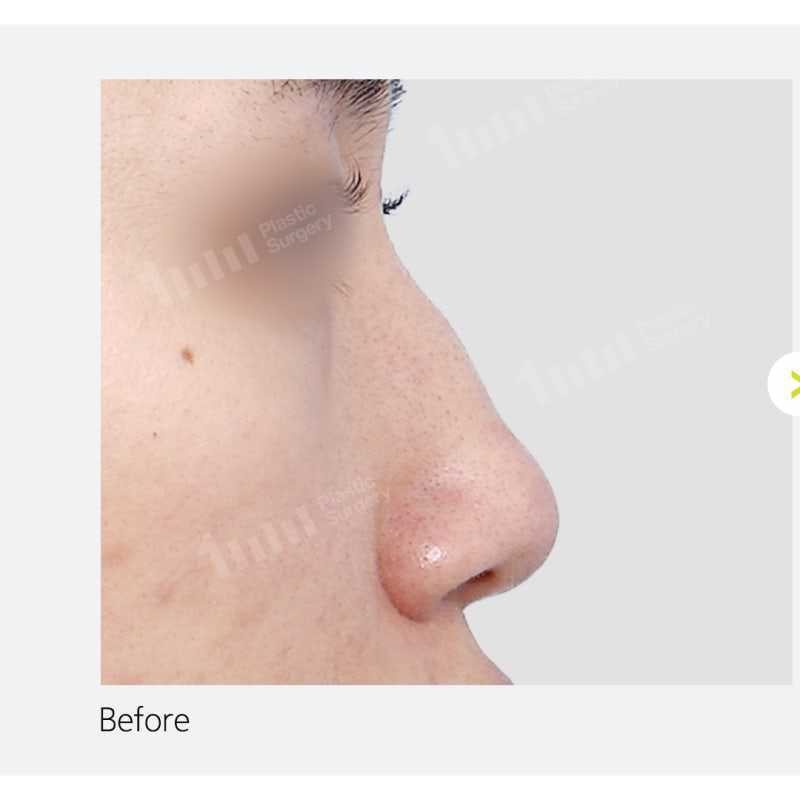
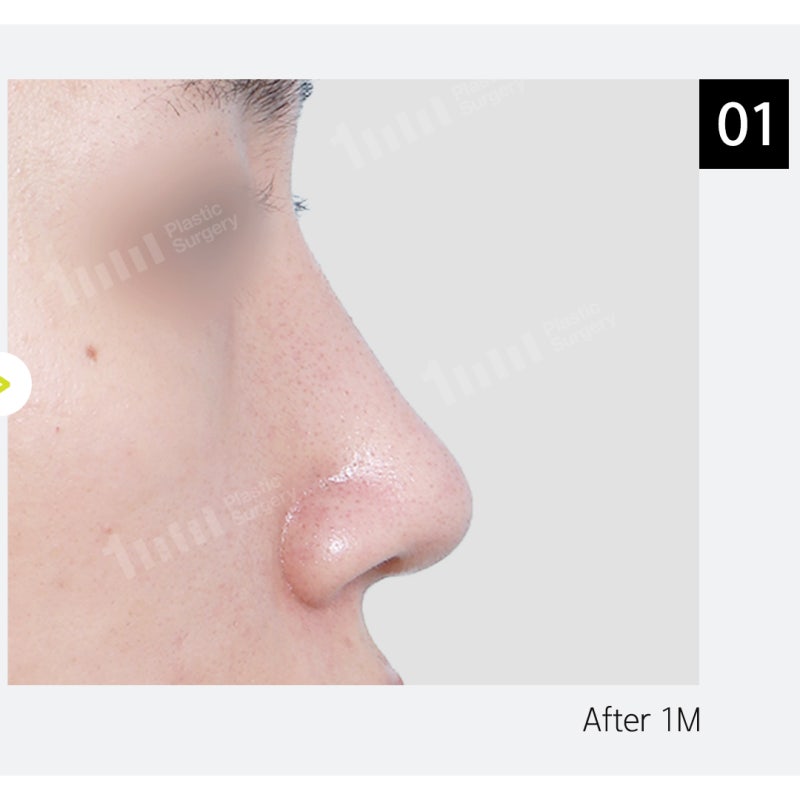
Nose surgery comes in various types, such as tip cartilage tying, tip plasty, and alar reduction, with different methods depending on the type.
Among these, a hump nose can be smoothed out with bridge correction.
In particular, a hump nose can often lead to impaired nasal function, causing nasal diseases or various daily discomforts, with a deviated nose being another common example.
For a naturally deviated nose, accurate diagnosis by a specialist is essential, and deviated nose correction should be performed first.

Tip Plasty
Nose Tip Side
Elevate a blunt and low nasal tip to create a beautiful line!
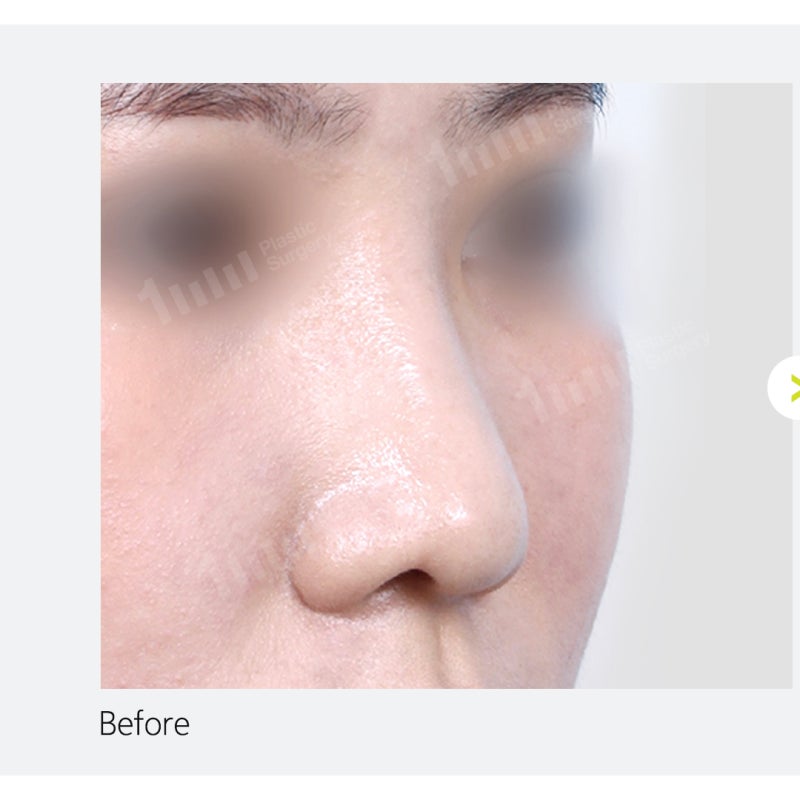
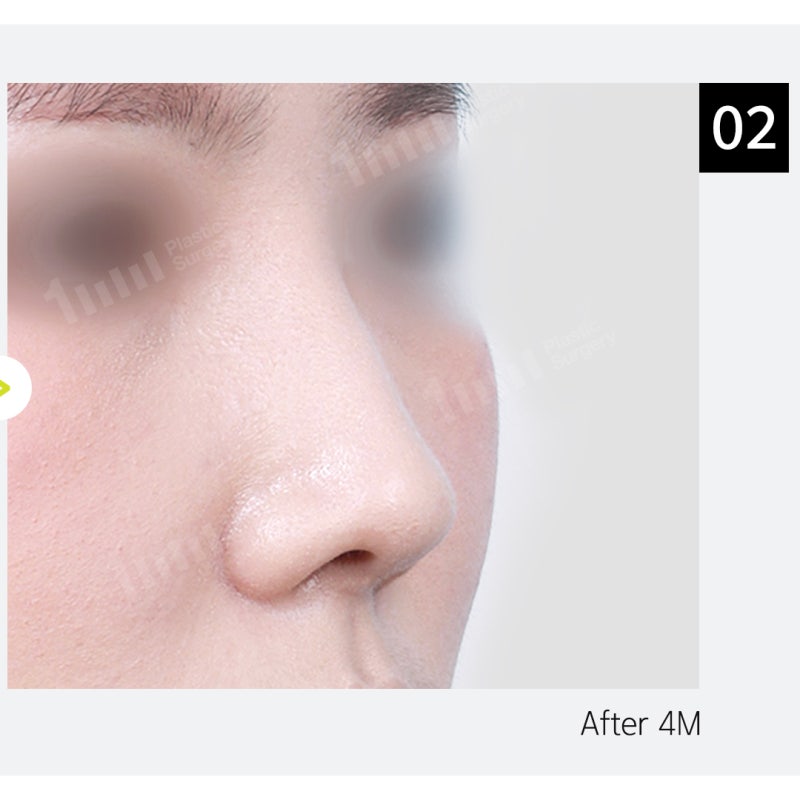
Tip plasty is a surgery that transforms the nasal tip into an ideal shape, creating a balanced nasal tip with a straight and smooth nasal line, naturally producing a sophisticated nasal profile.
It is one of the most commonly performed nose surgeries, and satisfaction can be achieved by comprehensively reflecting the anatomical structure and functional aspects of the nose, including the existing bridge, skin thickness, bone, muscle, and fat.

Alar Reduction
Reduce widely spread alar and elevate the nasal tip to complete a beautiful line!
Alar reduction is similar to bulbous nose surgery.
While there are various types of bulbous nose surgery, the cause of a blunt-looking nasal tip can be widely spread tip cartilage and thick skin and fat layers covering the tip.
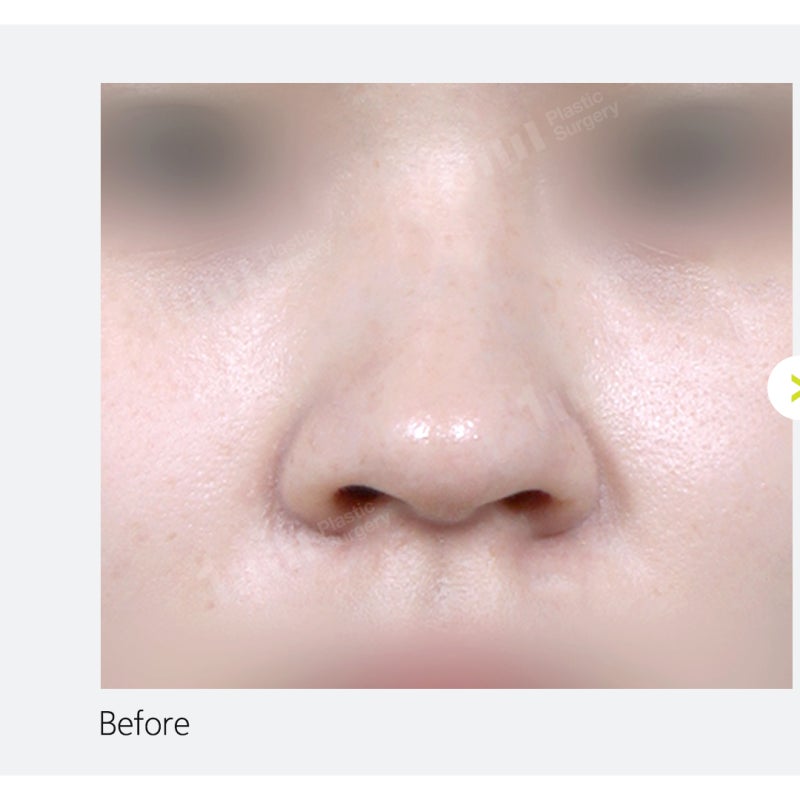
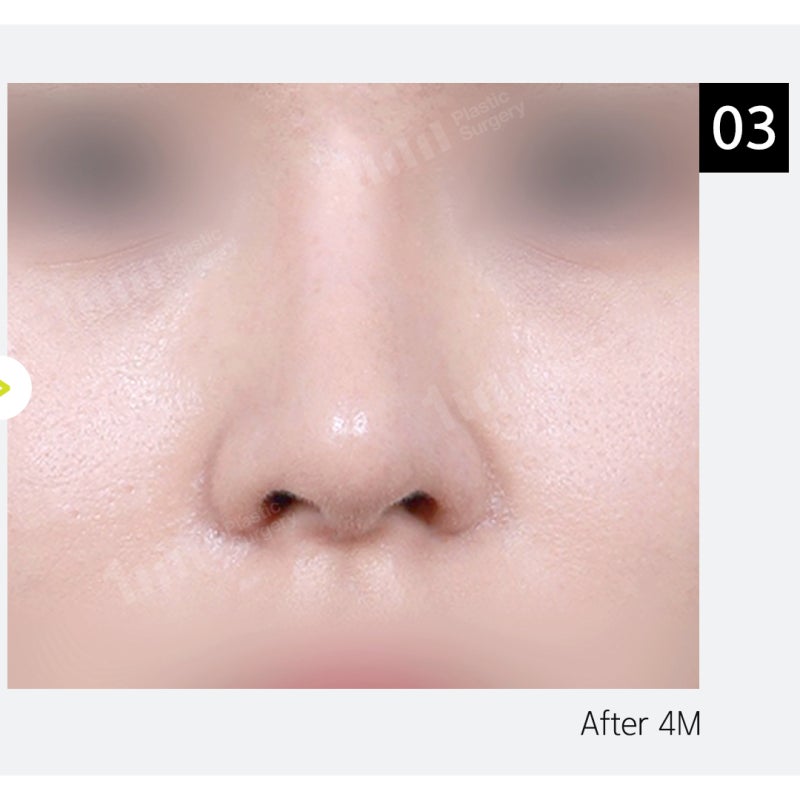
In this case, unnecessary soft tissue at the nasal tip is removed, then the round and spread tip cartilage is refined, gathered, or trimmed to adjust its position, thereby reducing the nasal base and alar to create a sophisticated nasal line.
Nose surgery should be a customized procedure based on your usual nose shape, rather than simply raising the bridge and tip.
For safe nose surgery without side effects, you should not rely on excessive height or shapes that are not suitable for you.
In particular, our nose plays a significant role in forming the overall facial image and balanced features, so it is crucial to consider the line extending from the nasal tip to the lips together to find a harmonious design for the entire face.